
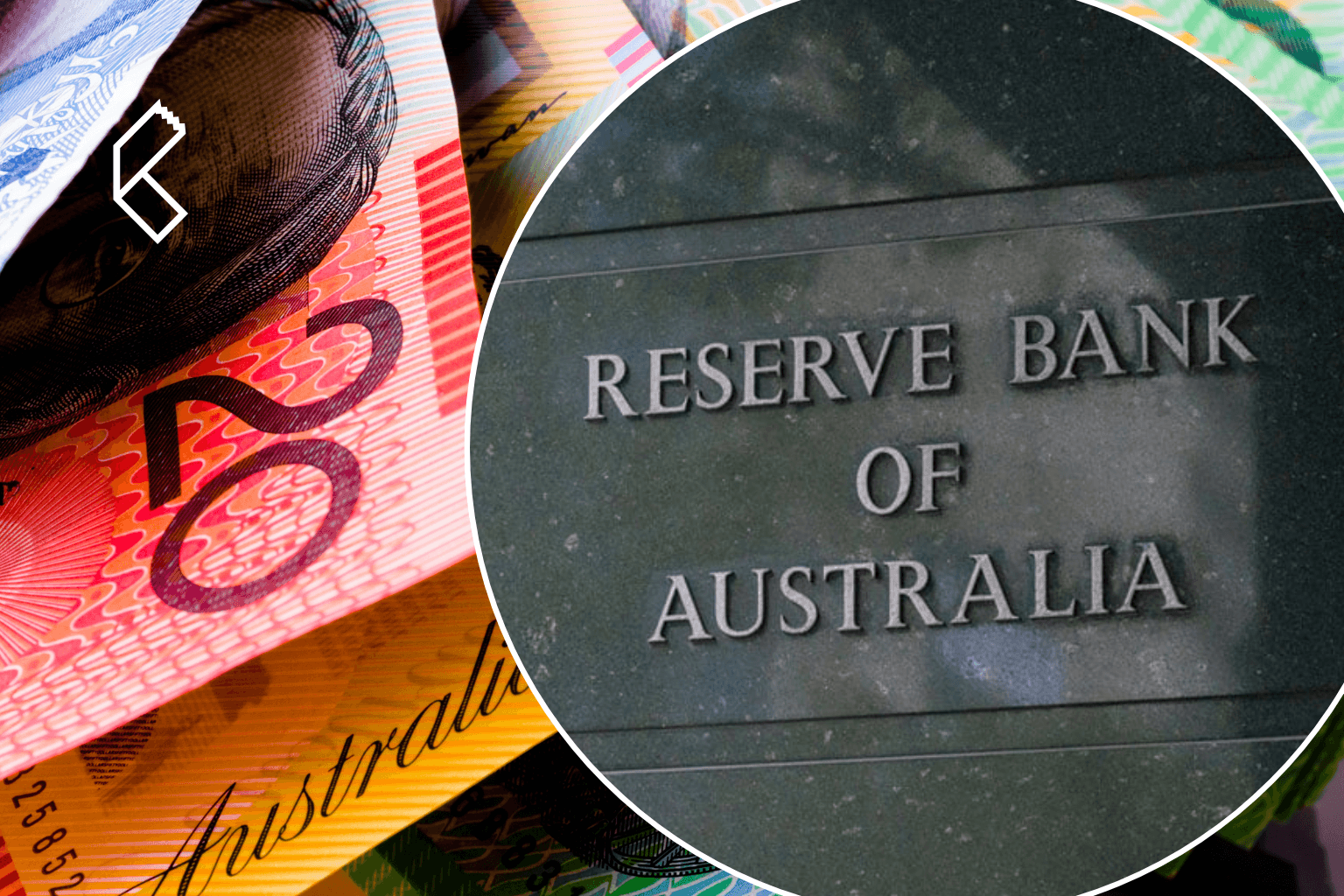
RBA Holds Rates, but Australian business owners shouldn’t assume the pressure is over.
On 16 June 2026, the Reserve Bank of Australia (RBA) held the cash rate steady at 4.35%, marking the first pause after three consecutive rate increases this year. For many business owners, the decision brings a welcome moment of relief. However, economists and financial experts are warning that the challenges facing Australian businesses are far from over.
RBA Governor Michele Bullock made it clear that the fight against inflation has not yet been won. Further rate rises remain possible if inflation fails to return to the Bank’s target range.
For small and medium-sized businesses, the message is simple: now is not the time to relax. It’s time to strengthen your financial position, improve visibility over your numbers, and prepare for continued economic uncertainty.
RBA Holds Rates: What It Means for Australian Businesses
While the cash rate has remained unchanged, the cost of doing business remains significantly higher than it was just 18 months ago. Business owners continue to face a combination of rising expenses, cautious consumers, and tighter cash flow conditions.
Business Loan Repayments Remain Elevated
If your business has variable-rate loans, equipment finance or overdraft facilities, your repayments are still considerably higher than they were at the beginning of the tightening cycle.
Holding rates steady prevents further increases for now, but it does not reduce existing borrowing costs.
Consumer Spending Is Slowing
Australia’s economy grew by just 0.3% in the March quarter, reflecting softer household spending and increased caution among consumers.
For businesses that rely on discretionary spending, slower consumer demand can directly impact revenue and profitability.
Inflation Continues to Drive Up Costs
Although inflation has moderated from previous highs, it remains above the RBA’s preferred range. Many businesses continue to experience rising costs across:
- Wages and salaries
- Superannuation contributions
- Fuel and transport
- Insurance premiums
- Rent and utilities
- Materials and supplier costs
These increases place pressure on margins and make effective financial management more important than ever.
Rate Cuts Are Not Expected Any Time Soon
Most major banks are forecasting that interest rates will remain higher for longer. Some economists have even suggested another increase could occur later this year if inflation remains stubborn.
Adding further pressure, the temporary fuel excise relief is due to expire on 30 June 2026, potentially increasing transport and delivery costs across the economy.
The reality is that the financial environment remains challenging, even with rates on hold.
Why Cash Flow Matters More Than Ever When the RBA Holds Rates
In uncertain economic conditions, cash flow becomes one of the most important indicators of business health.
Many business owners focus heavily on profit, but profitable businesses can still experience financial stress if cash isn’t available when it’s needed.