Introduction
Navigating small business taxes in Australia can be a daunting task. With a variety of tax obligations and regulations, understanding how much tax a small business pays in Australia is crucial for compliance and financial planning. The Australian Taxation Office (ATO) plays a key role in regulating these taxes, ensuring businesses meet their responsibilities.
A clear grasp of your tax obligations not only helps you avoid penalties but also optimises your financial operations. Small business owners must be aware of various taxes, including income tax, Goods and Services Tax (GST), payroll tax, and more. Each comes with its own set of rules and requirements that can significantly impact your business finances. For instance, failure to comply with the Fair Work Act can result in severe penalties, as seen in the case of a sushi restaurant chain which faced $15.3 million in penalties for serious breaches.
This comprehensive guide aims to demystify the complexities surrounding small business taxes in Australia. You will learn about:
The different types of taxes applicable to small businesses.
The distinctions between taxation structures for sole traders and companies.
Deductions and concessions available to reduce taxable income.
Practical strategies for managing GST and income tax together.
By the end, you’ll have a deeper understanding of the Australian tax landscape, empowering you to make informed decisions for your business. At iKeep, we are committed to simplifying your accounts and ensuring you stay compliant with ease.
However, it’s also important to be aware of potential pitfalls such as exploiting hardship superannuation schemes, which can lead to serious legal consequences, as evidenced by a recent case where a WA woman was jailed for doing just that.
Moreover, understanding the implications of new legislation like the Portable Long Service Leave Scheme introduced for the community service sector in NSW, or keeping abreast with amendments aimed at closing loopholes in the Fair Work Act can provide valuable insights for small business owners.
In summary, navigating the small business tax landscape in Australia requires not only knowledge of various tax obligations but also an awareness of legal responsibilities and ongoing legislative changes.
Understanding Small Business Tax Obligations
Navigating the financial landscape of small business taxation in Australia requires a solid understanding of tax obligations. Central to this is the Australian Taxation Office (ATO), which plays a crucial role in regulating taxes for small businesses. The ATO’s responsibilities include ensuring compliance with the tax laws, providing guidance to business owners, and implementing systems for efficient tax collection.
Role of the ATO in Regulating Small Business Taxes
The ATO functions as the main regulatory body overseeing tax compliance among small businesses. It provides resources and tools designed to help business owners understand their responsibilities and the processes involved in meeting them. Key functions include:
Issuing Tax File Numbers (TFNs): Every business needs a TFN, which is essential for lodging tax returns.
Business Activity Statements (BAS): The ATO requires businesses to report and pay several tax obligations using BAS.
Providing Guidance: Through various publications and online resources, the ATO educates businesses on tax matters.
Compliance and Reporting Requirements for Small Businesses
Meeting compliance and reporting requirements is vital for avoiding penalties and ensuring smooth operations. Here are some essential aspects:
Record Keeping: Small businesses must maintain accurate financial records for at least five years. This includes invoices, receipts, bank statements, and any other relevant documents.
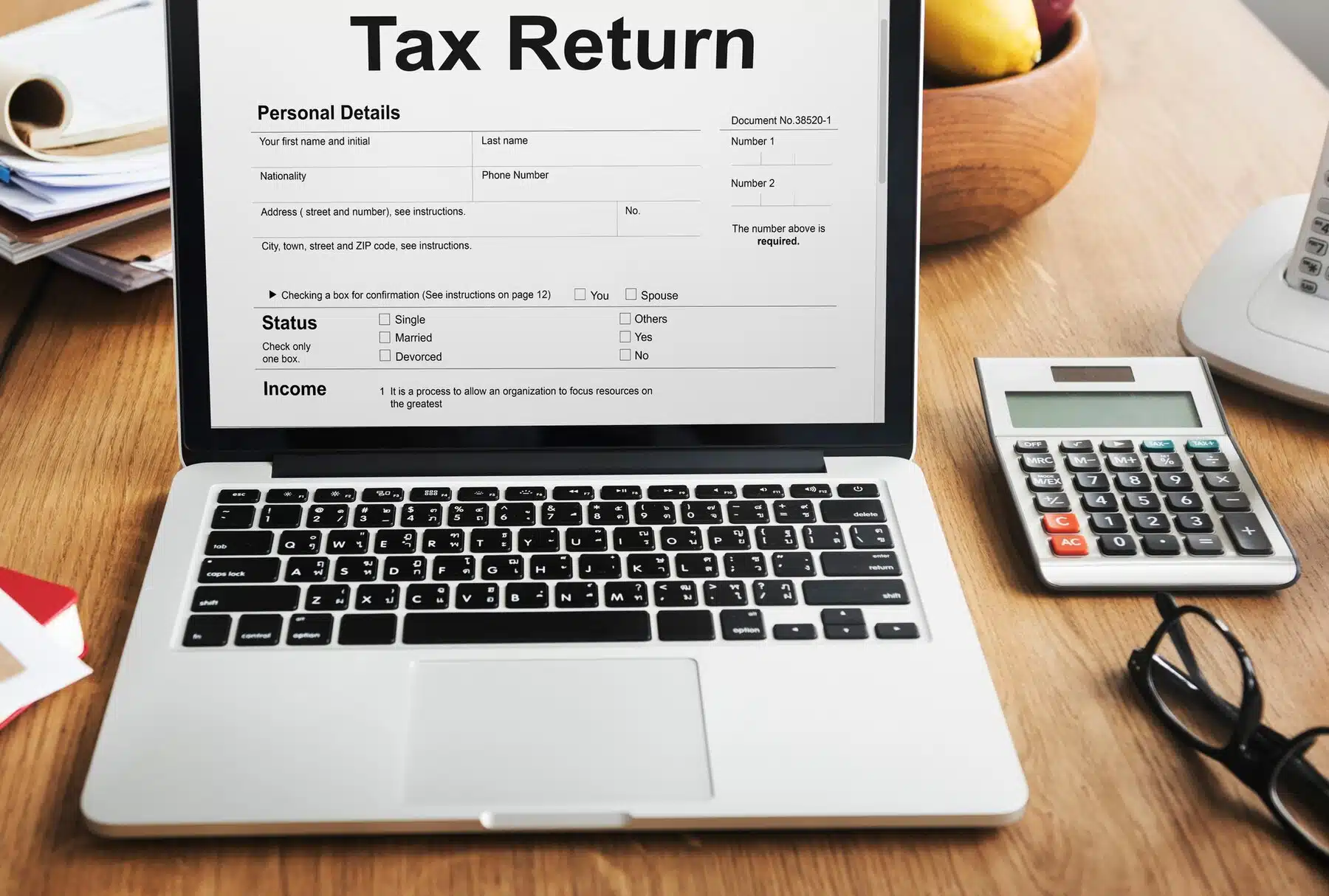
Lodging Tax Returns: Depending on your business structure, you may need to lodge quarterly or annual tax returns. Sole traders typically report their income through personal tax returns, while companies have separate obligations.
Pay As You Go (PAYG) Instalments: Many businesses need to pay PAYG instalments as a way of pre-paying their expected end-of-year income tax liability.
Understanding these obligations can be challenging; however, this is where iKeep steps in. Our team guides you through each requirement, offering insight and support tailored to your unique business needs. By leveraging iKeep’s expertise, you can focus on what truly matters—growing your business with confidence that your tax obligations are managed effectively.
If you’re struggling with meeting your ATO obligations on time, consider exploring our ATO payment plans, which allow you to pay off your liability in instalments. Additionally, we offer valuable resources on paying superannuation, ensuring compliance with super guarantee (SG) payments.
Outsourcing bookkeeping services can also significantly ease the burden of managing these responsibilities. Not only does it allow you to focus on your business goals, but it also provides access to expert knowledge that can help navigate complex tax regulations more efficiently. For more information on how outsourcing bookkeeping services is a smart choice for your accounting business, visit our blog post about outsourcing bookkeeping services.
Lastly, if you’re considering offshoring as part of your outsourcing strategy, make sure to read our article that debunks common offshoring myths.
Types of Taxes for Small Businesses in Australia
Understanding the various types of taxes applicable to small businesses is crucial for maintaining compliance and optimizing financial efficiency.
This section delves into the intricacies of income tax, providing a detailed explanation of its implications for small business owners in Australia.
1. Income Tax
Income tax is a fundamental component of the Australian taxation system, directly impacting small businesses. For those navigating the entrepreneurial landscape, comprehending how income tax applies to different business structures—such as sole traders and companies—is essential.
Explanation of Income Tax for Small Businesses
Income tax in Australia is levied on the taxable income that businesses earn over a financial year. The amount payable depends on the structure of the business and its total income. Small businesses must file an annual tax return with the Australian Taxation Office (ATO), outlining income earned and expenses incurred.
Sole Traders: Individuals operating as sole traders are taxed at individual income tax rates. The taxable income is calculated by deducting eligible expenses from gross income, with remaining profits subject to marginal tax rates.
Companies: Companies are taxed at a flat corporate tax rate, differing from individual rates. This rate can vary depending on factors such as annual turnover and whether the company qualifies as a small business entity.
Differences Between Income Tax for Sole Traders and Companies
The taxation process diverges significantly between sole traders and companies:
Sole Traders:
Taxed at personal income tax rates.
Eligible for personal tax offsets.
Simpler reporting requirements but potentially higher tax liability if profits are substantial.
Companies:
Subject to a flat corporate tax rate.
Not eligible for personal tax offsets.
Enjoy benefits such as limited liability and potential access to lower corporate rates if classified as a small business entity.
Tax-Free Threshold for Individuals
One advantage available to sole traders is the tax-free threshold. Individuals earning below this threshold benefit from reduced or no income tax liability on their earnings up to $18,200 annually. This concession can provide relief for small-scale operations or startups with limited initial revenues.
Understanding these nuances allows small business owners to make informed decisions about structuring their operations. By aligning with legal requirements, they can effectively manage their taxation obligations while maximizing potential benefits.
The team at iKeep stands ready to assist small businesses in navigating these complexities, ensuring accurate compliance with Australian taxation laws while allowing businesses to focus on growth and innovation. They offer services such as converting accounting software from Reckon to Xero, which can streamline financial management processes significantly. Additionally, iKeep provides insights into new legislation like Payday Super, marking a major change in how superannuation is managed in Australia. Furthermore, they also offer valuable advice on setting financial resolutions that can help small businesses align their financial strategies with their growth objectives for the new financial year.
2. Goods and Services Tax (GST)
Small businesses in Australia have various tax obligations, one of which is the Goods and Services Tax (GST). This indirect tax is applied to most goods, services, and other items sold or consumed in Australia.
Definition and Significance of GST for Small Businesses
GST is a broad-based consumption tax, currently set at a rate of 10%. It plays a crucial role in the Australian tax system by contributing to government revenue and supporting public services. For small businesses, understanding GST is vital as it directly impacts pricing strategies, cash flow, and compliance requirements.
Registration Process for GST
Businesses with an annual turnover of $75,000 or more must register for GST. This threshold applies whether you operate as a sole trader or a company. The registration process involves:
Obtaining an Australian Business Number (ABN): Before registering for GST, ensure your business has an ABN.
Registering through the Australian Taxation Office (ATO): This can be done online via the ATO’s Business Portal or through your registered agent.
Businesses below the threshold may opt to register voluntarily if they find strategic benefits such as reclaiming GST credits on purchases.
Responsibilities Related to Collecting and Remitting GST
Once registered, small businesses have specific responsibilities: